
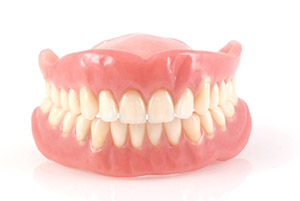
Good dentures should help you enjoy food again, not limit what you eat. A 2026 systematic review found that replacing missing teeth consistently improved chewing and quality of life, and that nutrition improved most when new dentures came with simple dietary advice. Here's ours.
In the first few weeks
- Start with softer foods such as eggs, fish, pasta and cooked vegetables.
- Cut food into smaller, bite-sized pieces.
- Chew slowly, using both sides of your mouth at once to keep dentures stable.
- Take care with very hot drinks, as dentures can reduce how well you feel heat.
Foods to take care with
Sticky sweets, chewing gum, hard nuts, crusty bread and biting into whole apples or corn on the cob can loosen or strain dentures. You don't have to give them up for good. Cutting apples into slices or corn off the cob makes a big difference.
Keep a balanced diet
Don't cut out whole food groups because chewing feels harder. If you find yourself avoiding meat, fruit or vegetables, that's a sign your dentures may need adjusting or relining.
When eating is still difficult
Ongoing soreness, food getting trapped underneath, or a lower denture that lifts when you chew all mean the fit could be better. A reline, soft lining, a lower suction denture or implant-retained dentures can help. Book a free consultation at Shawlands or Dennistoun and we'll take a look.