
Why would I want Implant Supported Dentures?
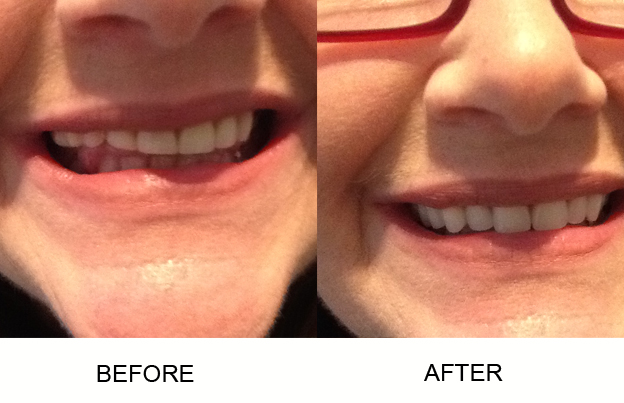
Denture wearers experience many problems, sometimes there is nothing for a denture to grip on to making it slide around as it becomes increasingly loose causing rubbing and general discomfort. Our mouths are constantly changing and this is something no one can anticipate. With upper dentures in particular, aesthetics come to the fore and people do tend to lose confidence with their smile and in turn, this can knock anyone’s self confidence and self esteem if their denture is poorly fitted or uncomfortable. Some denture wearers experience loosening of the denture and that it has no proper retention (especially lower dentures). Put simply, there is nothing for the denture fix on to. This results in problems with speech or with eating. Implant retained dentures mean that the denture is held in place by implants, in most cases it is 4 implants for the upper and 2 implants for the lower.
Will Implant Retained Dentures help with eating?
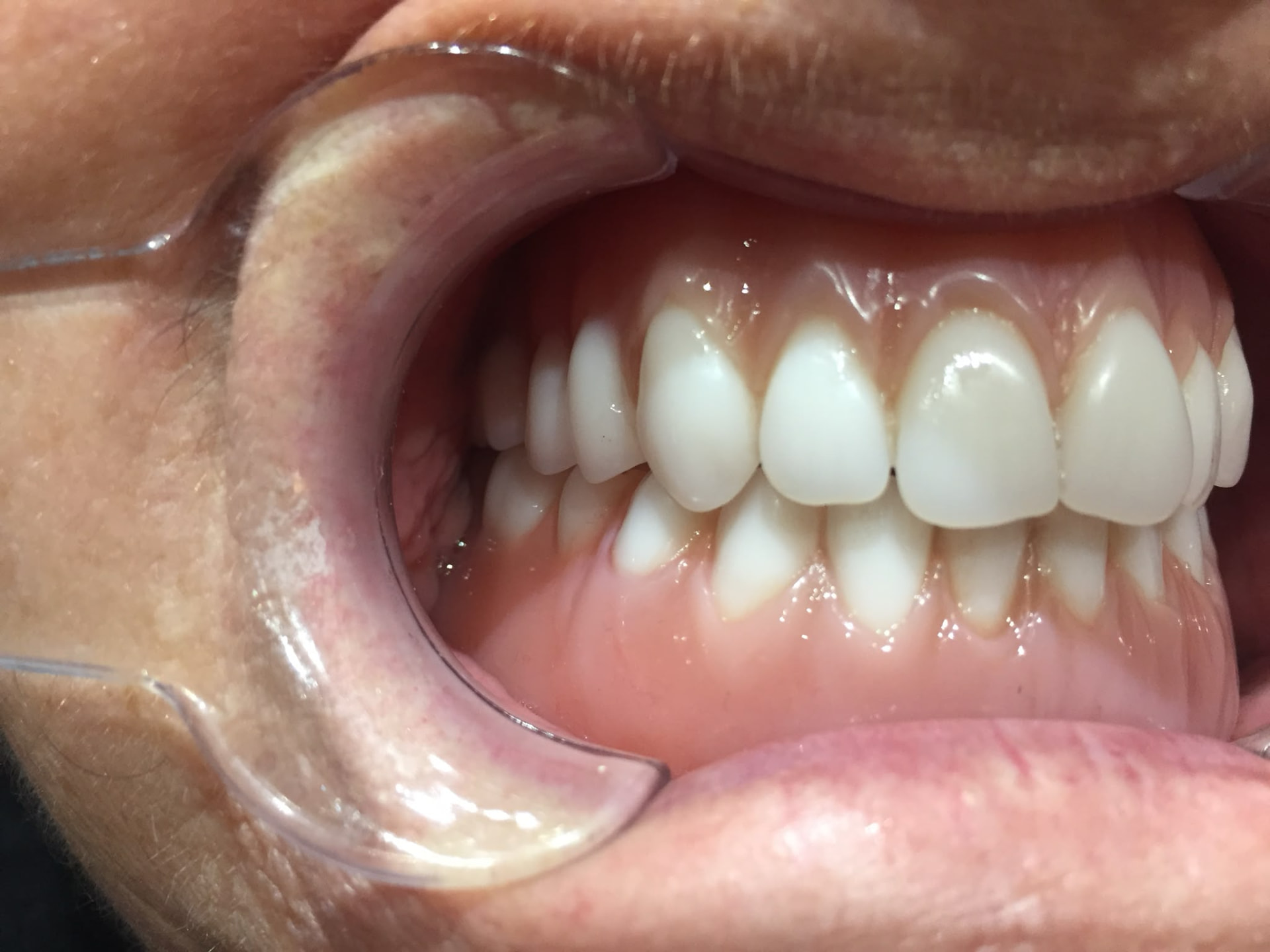
Simply, yes it will definitely help with eating. Some people like the idea of a nice big juicy steak or some fresh crusty bread but because of their dentures, it is nothing more than a fading memory but an implant retained denture can give you this experience this again as well as giving you the confidence to eat what you want at social dinners and not being resigned to salads and other softer alternatives.
Don’t suffer in silence, arrange your appointment for Upper or Lower Implants today.
What Is It?
An implant-supported denture is a type of overdenture that is supported by and attached to implants. A regular denture rests on the gums, and is not supported by implants.
Implant-supported dentures usually are made for the lower jaw because regular dentures tend to be less stable there. Usually, a regular denture made to fit an upper jaw is quite stable on its own and doesn’t need the extra support offered by implants. However, you can receive an implant-supported denture in either the upper or lower jaw.
How Does It Work?
There are two types of implant-supported dentures: bar-retained and ball-retained. In both cases, the denture will be made of an acrylic base that will look like gums. Porcelain or acrylic teeth that look like natural teeth are attached to the base.
Bar-retained dentures — A thin metal bar that follows the curve of your jaw is attached to two to the implants that have been placed in your jawbone. Clips or other types of attachments are fitted to the bar, the denture or both. The denture fits over the bar and is securely clipped into place by the attachments.
Ball-retained dentures (stud-attachment dentures) — Each implant in the jawbone holds a metal attachment that fits into another attachment on the denture. In most cases, the attachments on the implants are ball-shaped (“male” attachments), and they fit into sockets (“female” attachments) on the denture. In some cases, the denture holds the male attachments and the implants hold the female ones.
The Implant Process
The implants usually are placed in the jawbone at the front of your mouth because there tends to be more bone in the front of the jaw than in the back. This usually is true even if teeth have been missing for some time. Once you lose teeth, you begin to lose bone in the area. Also, the front jaw doesn’t have many nerves or other structures that could interfere with the placement of implants.
The time frame to complete the implant depends on many factors. This includes surgeries and the placement of the denture. In some cases there may be a requirement for bone grafting or other preliminary procedures.
Two surgeries usually are needed. The first one places the implants in the jawbone under your gums. The second surgery exposes the tops of the implants. The second procedure comes three to six months after the first.
The cost is for implant retained dentures is exceptionally lower than that of traditional alternative options.